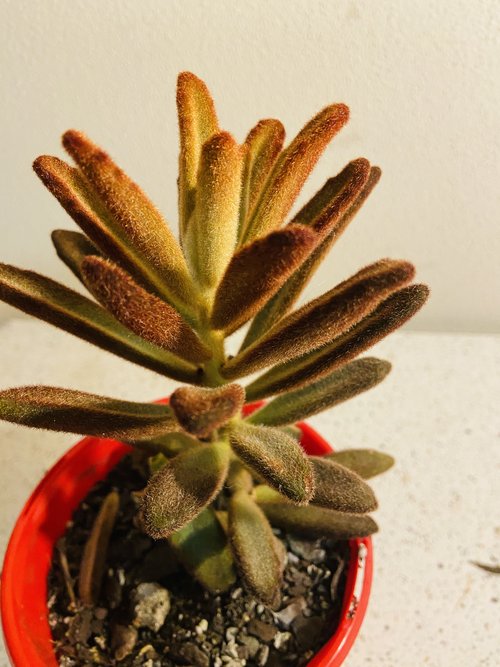
Kalanchoe Tomentosa | Dorothy Brown Panda Plant
Kalanchoe Tomentosa | Dorothy Brown Panda Plant
You must add at least of this product.
Kalanchoe tomentosa | Panda Plant with Fuzzy Velvety Leaves
Kalanchoe tomentosa, commonly known as the Panda Plant, is a much-loved succulent recognised for its soft, fuzzy leaves and attractive brown to reddish markings. Native to Madagascar, it is a compact and relatively easy-care plant that works well in pots, patios, balconies and bright indoor spaces.
The thick leaves are covered with fine hairs, giving the plant a soft, velvety appearance. The leaf edges can develop deeper brown or reddish-brown markings, creating an attractive contrast against the silvery-green foliage.
With its drought-tolerant nature and modest care requirements, Kalanchoe tomentosa is a good choice for beginners as well as experienced succulent growers.
What Makes Kalanchoe tomentosa Special?
Fuzzy, Velvety Leaves
The thick, fleshy leaves are covered in fine hairs that give the plant its characteristic soft texture. This is one of the main reasons it is commonly called the Panda Plant.
Brown-Edged Foliage
The leaf tips and margins can develop attractive brown or reddish-brown tones, particularly when the plant receives suitable light.
Compact Growth
Kalanchoe tomentosa generally reaches around 15–30cm in height, with a similar spread under suitable growing conditions. Its manageable size makes it suitable for containers and smaller garden spaces.
Drought Tolerant
Like many succulents, it stores water in its fleshy leaves and can cope with periods of dry conditions. Allowing the soil to dry between watering is important for healthy growth.
Kalanchoe tomentosa Care Guide
Light:
Provide bright light with some gentle direct sun. It can tolerate light shade, although too little light may result in weaker, more stretched growth.
Watering:
Allow the soil to dry completely before watering again. Avoid frequent watering and never leave the plant sitting in water.
Soil:
Use a free-draining cactus or succulent mix. A pot with drainage holes is recommended.
Temperature:
Kalanchoe tomentosa prefers warm conditions. Protect it from frost and prolonged cold.
Maintenance:
Remove damaged or dry leaves when necessary. Handle the fuzzy foliage gently because frequent touching can damage the fine hairs.
Where to Grow It
This versatile succulent is suitable for:
- Indoor plant displays
- Sunny windowsills
- Patios
- Balconies
- Decorative containers
- Succulent gardens
- Rockeries
- Mixed succulent arrangements
In hot Australian conditions, provide protection from particularly harsh afternoon sun if the plant shows signs of scorching.
Common & Alternative Names
Botanical name: Kalanchoe tomentosa
Common name: Panda Plant
Alternative names: Panda Kalanchoe, Pussy Ears, Chocolate Soldier
Different cultivars of Kalanchoe tomentosa can have noticeably different leaf colours and markings.
Good to Know
The fuzzy coating on the leaves is completely natural. It helps give the plant its distinctive appearance and should not be washed or regularly misted.
Leaf colour can vary depending on light, temperature, age and growing conditions. Plants may therefore look slightly different from photographs taken at another time of year.
5 Uncommon Questions
Why are the leaves of my Panda Plant turning green?
Lower light can reduce the intensity of the brown or reddish markings. Move the plant gradually toward a brighter position rather than exposing it suddenly to strong sunlight.
Can I mist Kalanchoe tomentosa?
It is better not to. The fuzzy leaves can hold moisture, and regular misting is unnecessary for this drought-tolerant succulent.
Why is my Panda Plant becoming tall and stretched?
Stretching usually indicates insufficient light. Move it to a brighter position and rotate the pot regularly to encourage more even growth.
Can Kalanchoe tomentosa live outside in Australia?
Yes, it can perform well outdoors in suitable warm areas. Protect it from frost, prolonged rain and very harsh afternoon heat.
How do I know when to water a Panda Plant?
Check the soil rather than watering according to a fixed schedule. When the mix has dried completely, water thoroughly and allow excess water to drain away.
Plant Size & Delivery
The succulent plant supplied comes in a 130mm diameter red nursery pot.
The photograph is representative of the plant you will receive. Natural differences in size, shape, leaf colour and growth habit are expected because every succulent develops differently.
Please note — NT, TAS, WA customers: please contact us before placing your order due to additional quarantine charges associated with these locations.
View Shipping options
Share